01
Layers 1–6
Single, double-sided and multilayer flex with plated through holes from 0.2 mm.
SHENZHEN FLEXIBLE CIRCUIT MANUFACTURER
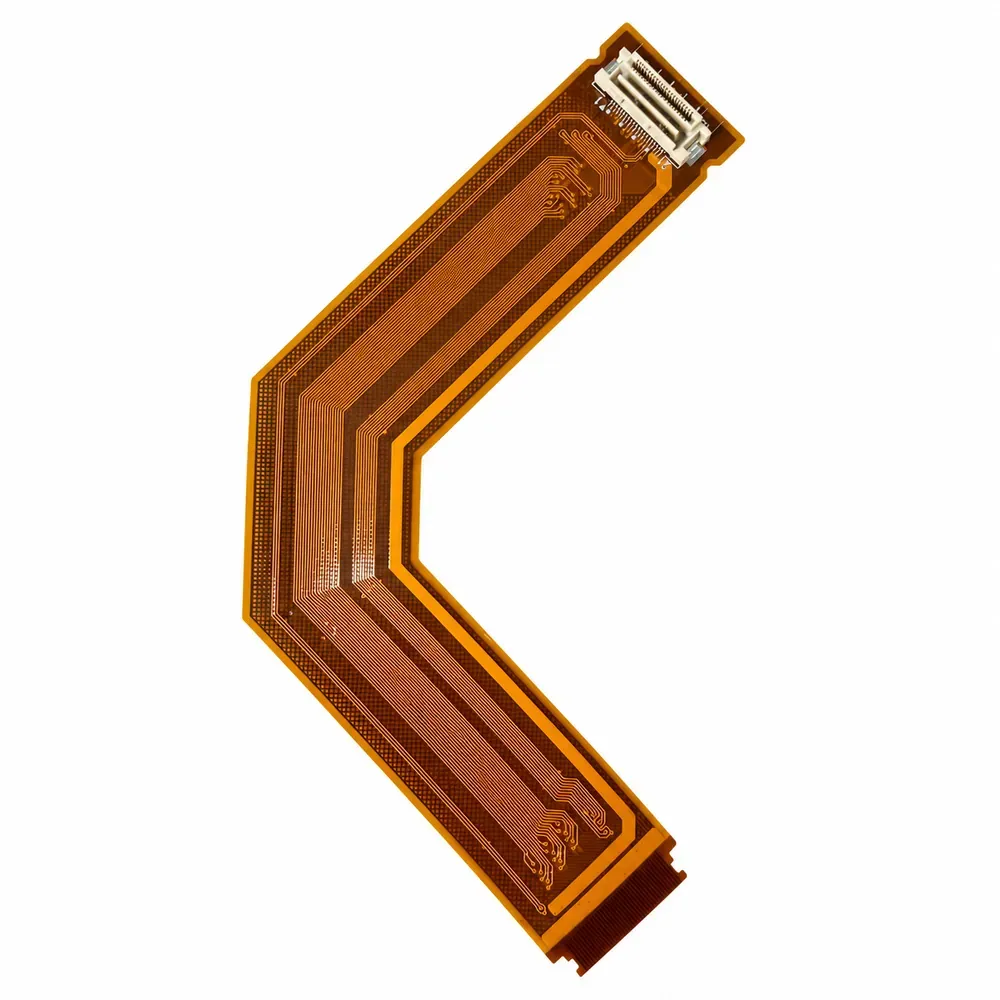
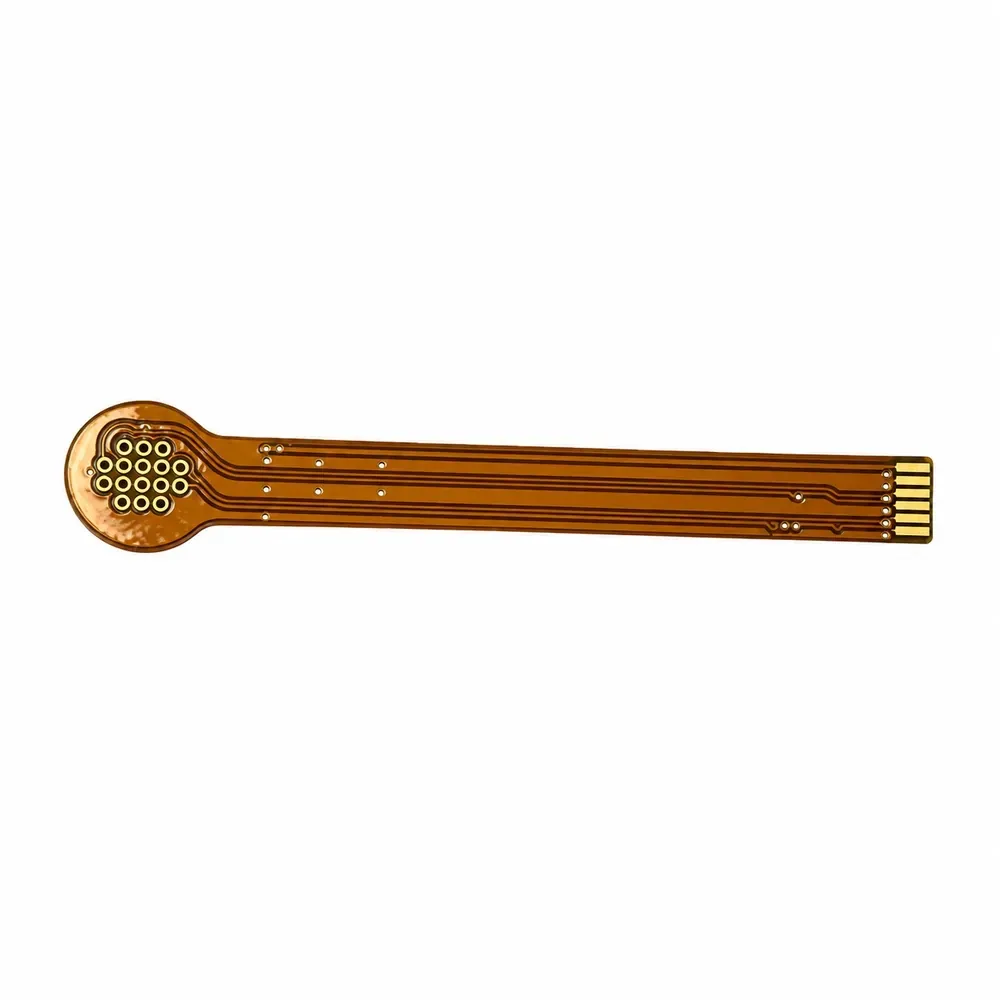
Zeyun runs its own FPC lines in Shenzhen: single and double-sided flex, multilayer, stiffener builds and SMT assembly on flex. Design reviews answered within 24 hours, prototypes in 4 to 6 working days.
FPC PRODUCT CATEGORIES
Every category runs on a dedicated process line in our Shenzhen factory, from PI laminating to SMT on flex.
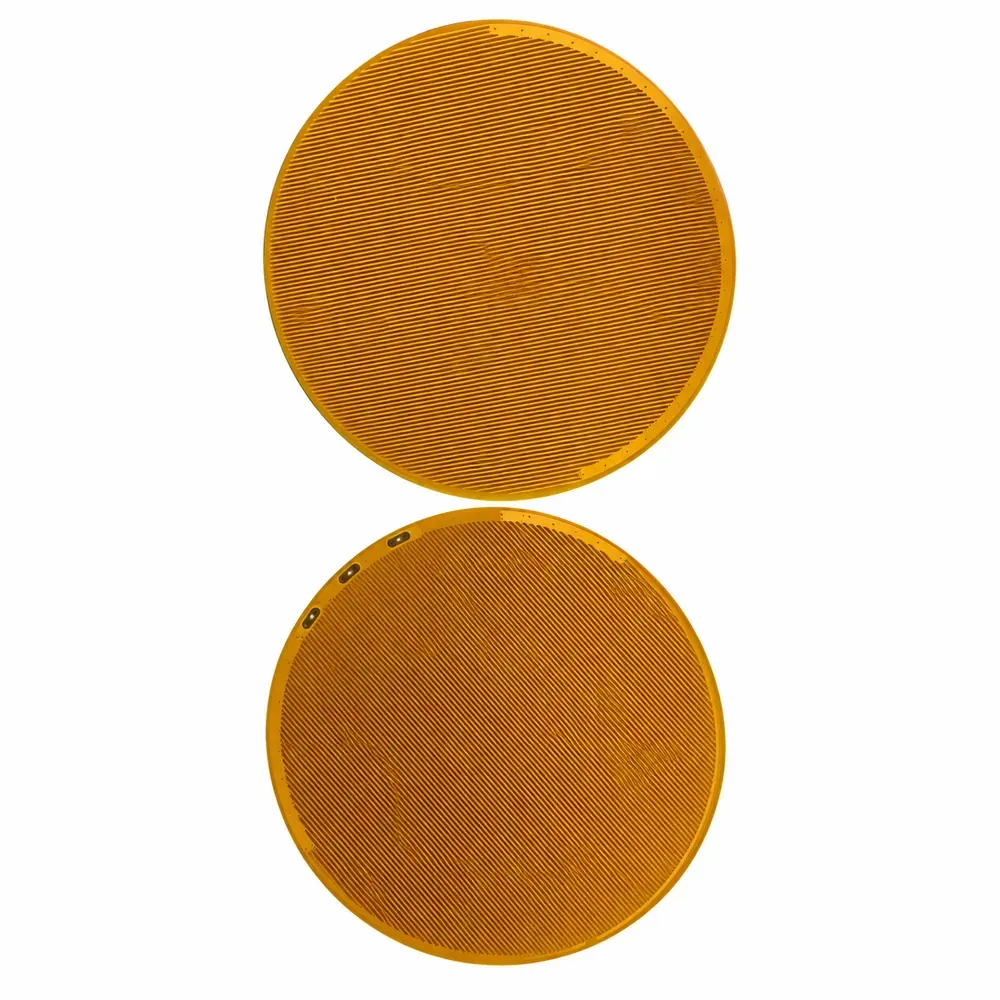
Polyimide flex circuits for static and dynamic bending, with ENIG, OSP or tin finishes.
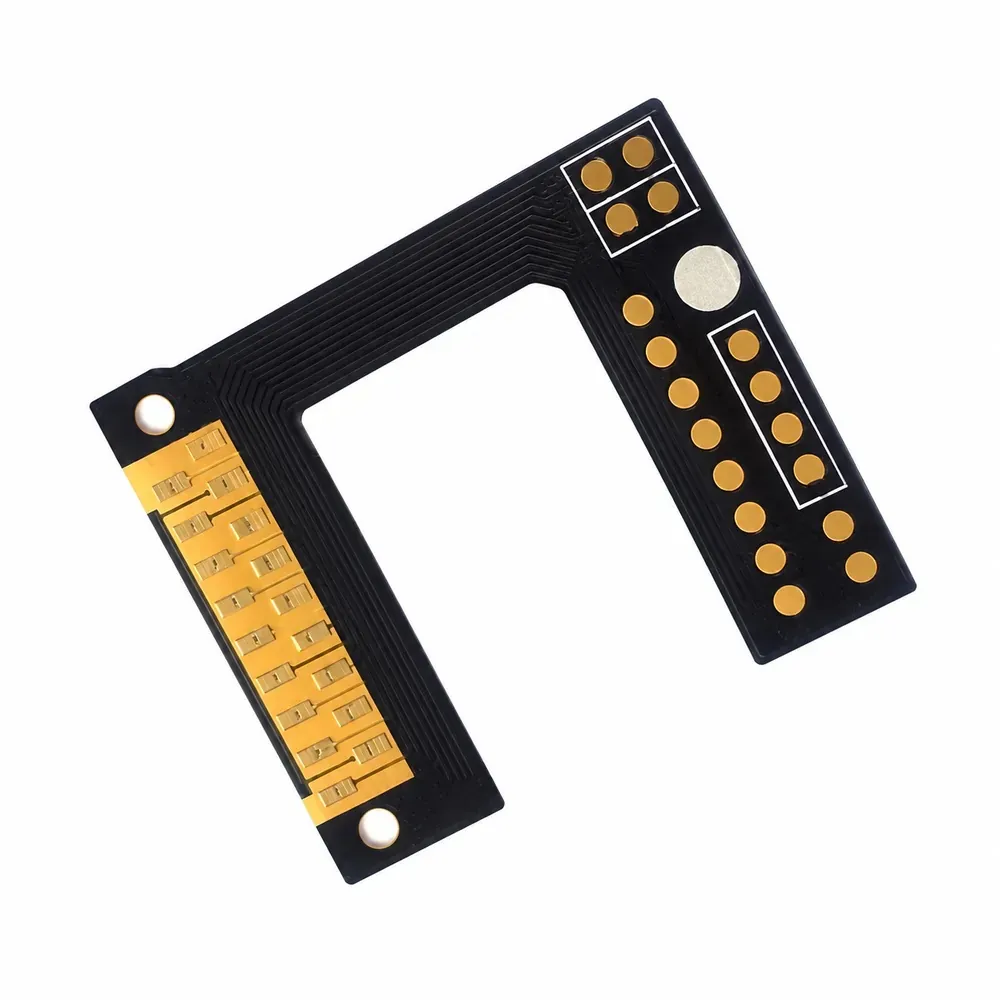
Layered and rigid-flex builds for dense, three-dimensional electronics assemblies.
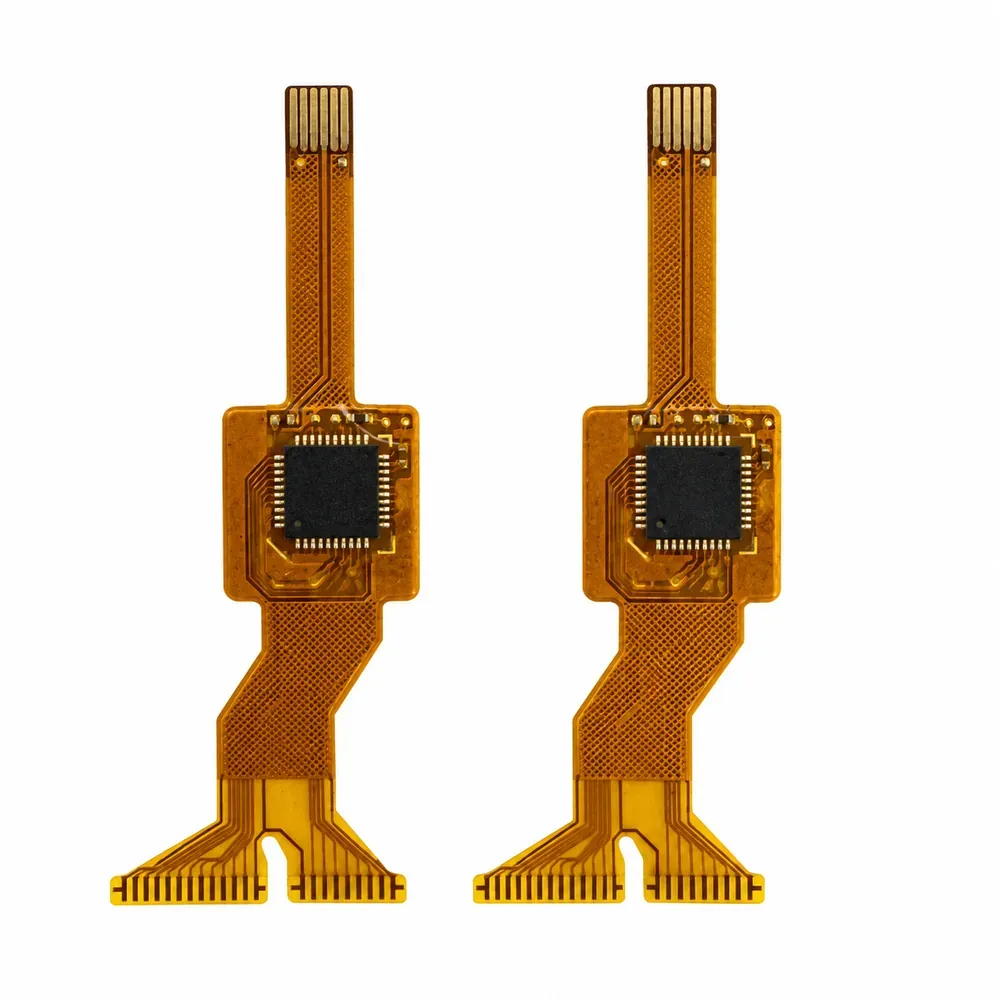
SMT placement of ICs, LEDs and passives on flex, delivered tested with AOI records.
PRODUCT SHOWCASE
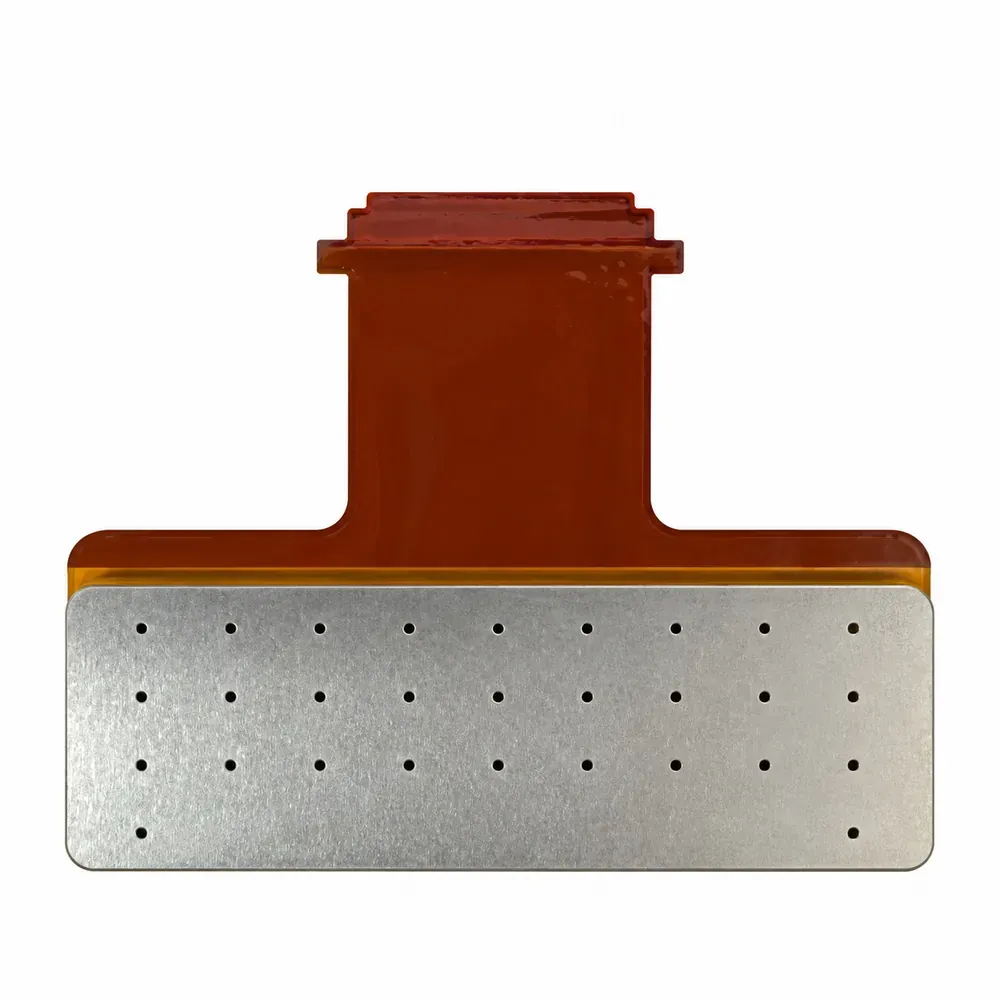
A selection from our catalog: connector builds, stiffener designs and assembled units, all produced in-house.
FABRICATION CAPABILITIES
Reference ranges for most orders; special stack-ups and tighter tolerances are reviewed case by case during DFM.
Single, double-sided and multilayer flex with plated through holes from 0.2 mm.
Trace and space down to 3 mil for dense routing in compact outlines.
A third of an ounce up to one ounce copper on PI base films from 12.5 µm.
ENIG for fine pitch and gold fingers, OSP and tin for cost driven builds.
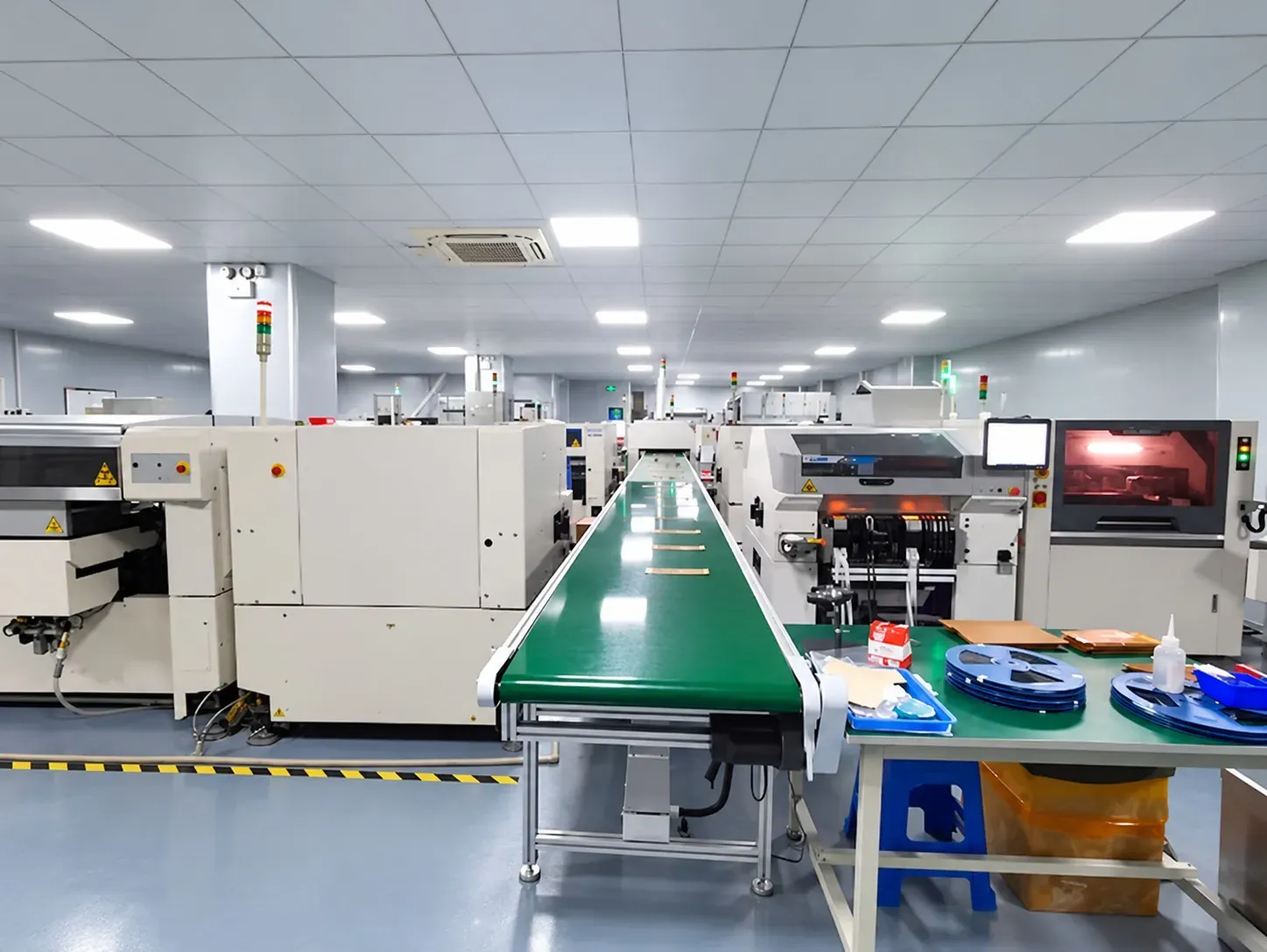
Inside the factory
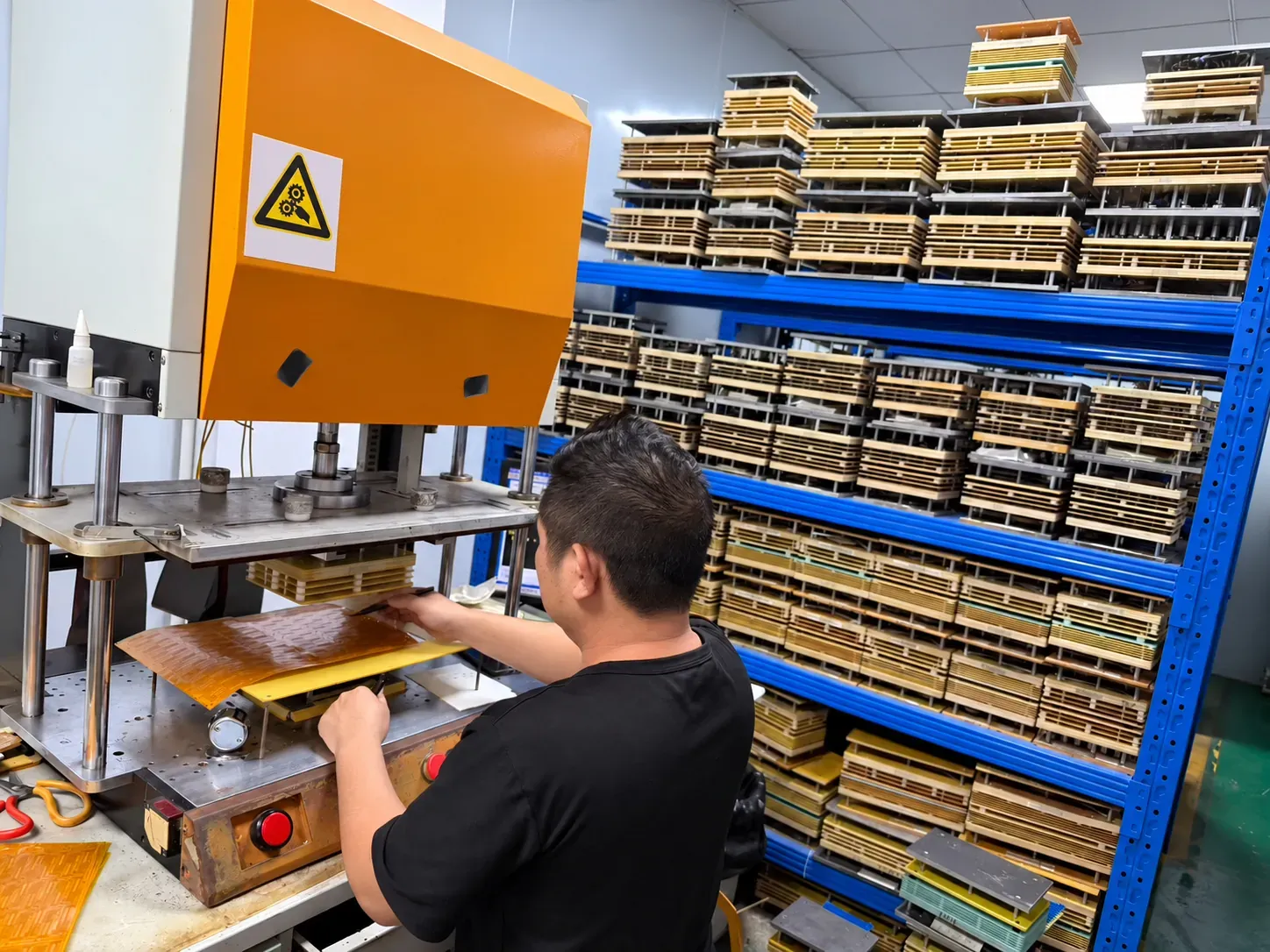
From PI lamination presses to SMT lines that hold flex flat in carrier fixtures, every step is set up for flexible substrates.
Water-resistant texture that creases and softens with use.
Hardware chosen for repairability, weight, and a quiet finish.
Interior liners and soft goods made to reduce virgin material use.
FPC INSIGHTS
Practical guides on choosing suppliers, prototype checks and surface finishes for flexible circuits.
Start with where the failure is: broken traces point to the bend area, cold joints to pads, finish and reflow, and blistering to moisture, lamination and storage.
Most FPC prototype rework comes from four places: bend areas, stiffeners, line width and spacing, and coverlay openings. Work through the 10-point checklist before you build.
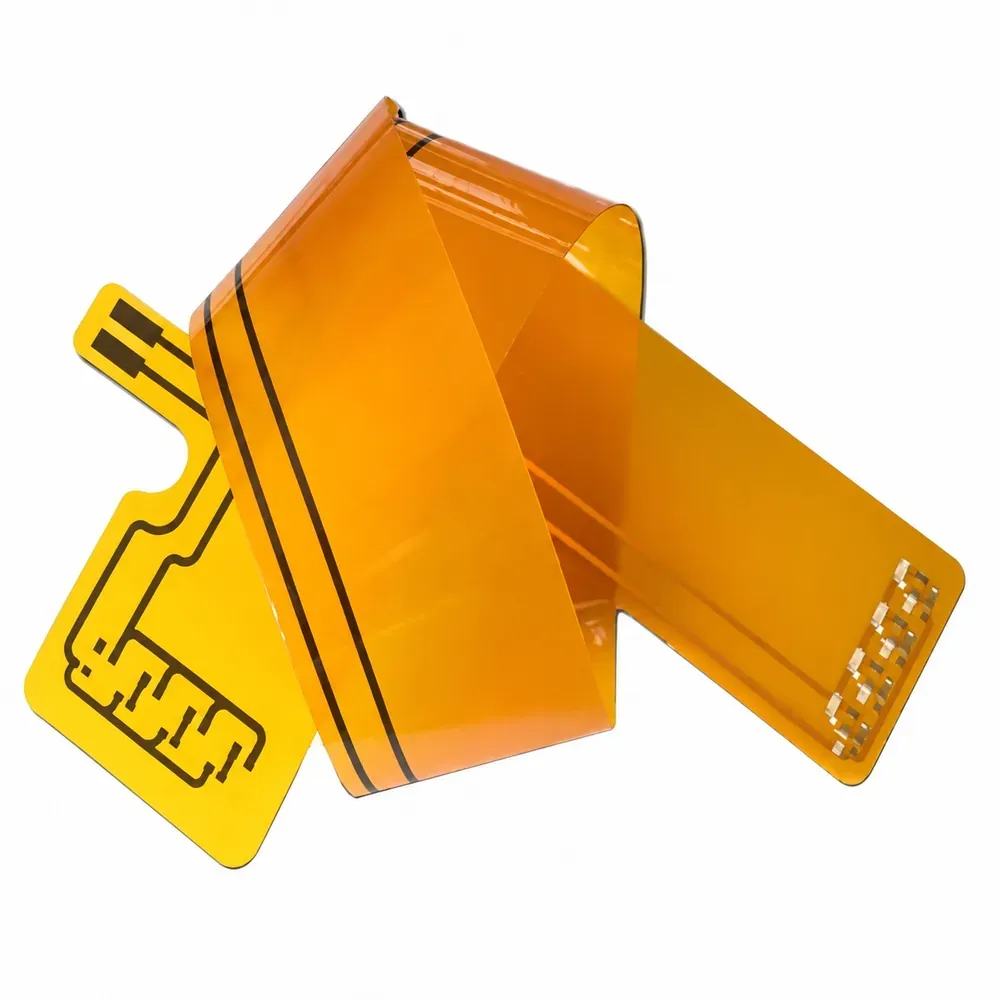
A practical checklist for evaluating flexible circuit manufacturers: capability fit, engineering support, quality controls, communication and delivery reliability.
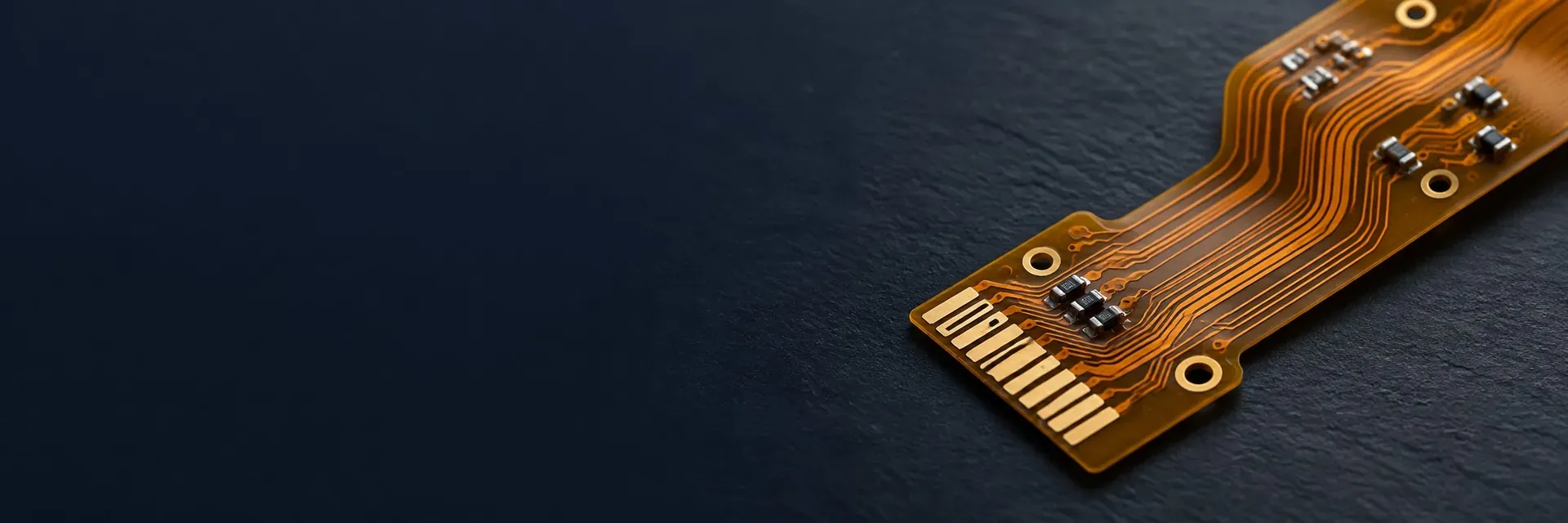
From flex to FPCA
Carrier fixtures keep flex flat through printing, placement and reflow, so assemblies stay dimensionally stable from the first panel.
QUALITY MANAGEMENT
Each order follows documented checkpoints from incoming material to packed cartons, with records kept per batch.
PI film, copper foil and stiffeners verified against specification before release.
First panels measured and approved before the batch runs.
Every net verified on fixture testers; optical inspection compares each panel to design data.
Dimensional and visual checks, vacuum packing and labeled export cartons.
HOW WE WORK
Each program moves through four coordinated steps with clear deliverables, so timelines and specifications stay predictable.
Send Gerber and stack-up data; we answer with a manufacturability review and quotation within 24 hours.
Prototypes ship in 4 to 6 working days for functional and fit verification.
Batch production with first article inspection, e-test and AOI checkpoints.
Packing to your specification, export documents and repeat-order support.
APPLICATIONS
Flexible circuits from our lines support products across consumer, medical, industrial and IoT categories.
Slim flex for rings, bands and health sensors with battery contact interfaces.
LED backlight strips and indicator flexes for panels and dashboards.
Dynamic bending cables for hinges, sliders and rotating modules.
Battery contact flexes with stiffened pads for handheld and IoT products.
WHY ZEYUN GLOBAL TECH
Zeyun focuses on flexible circuits only: dedicated FPC lines, engineering-led DFM and traceable quality controls in one Shenzhen plant.
PI laminating, CNC drilling, imaging, etching and coverlay bonding on flex-specific equipment.
Bend radius, stiffener transitions and impedance routing reviewed before any panel starts.
Prototype orders ship in 4 to 6 working days so development loops keep moving.
You work with the manufacturer, not a trading layer, from quotation to shipment.