How to Choose an FPC Manufacturer for Your Project
A practical checklist for evaluating flexible circuit manufacturers: capability fit, engineering support, quality controls, communication and delivery reliability.
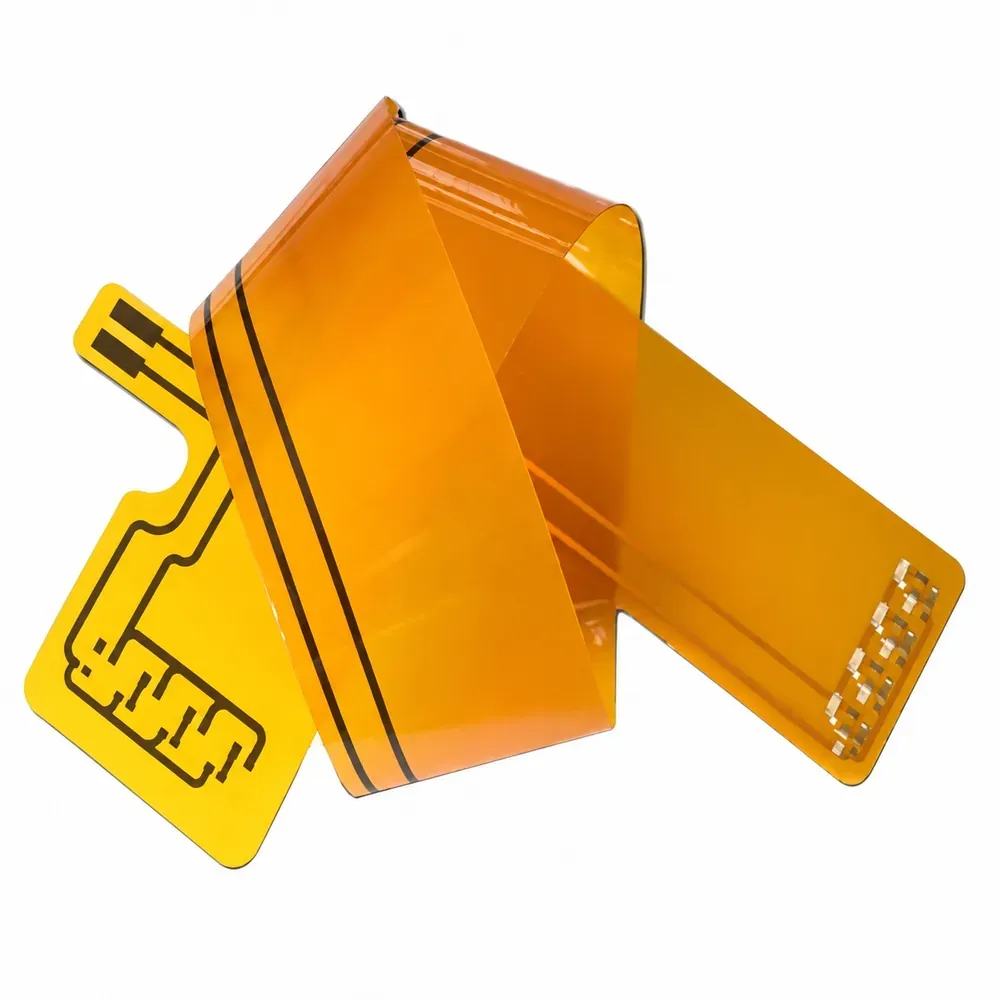
Short answer: choose the construction by what the board has to do, not by price. Pick single- or double-sided flex for simple routing, repeated bending, or a first small batch to validate the design. Pick multilayer flex when you have many signals, high density, shielding needs, or separate power and ground layers. Pick rigid-flex when you want to remove connectors, build a three-dimensional assembly, or fold the board reliably for years. Pick assembly (SMT) when you want boards that arrive populated, ready to install and test. Look at the application, how the board bends, how complex the signals are, and how many you need — then look at price.
Four FPC routes at a glance
Single- and double-sided flex. Best for simple routing, repeated bending, and small batches used to validate a design. Watch out for limited routing space, and no separate power and ground layers.
Multilayer flex. Best for many signals, high density, shielding, and separate power and ground layers. Watch out for thicker and stiffer bend areas, and stack-up decisions that need to be made early.
Rigid-flex. Best for removing connectors, building three-dimensional assemblies, and folding reliably over a long product life. Watch out for the design and the fabrication process having to be planned together.
Assembly (SMT). Best for boards that arrive populated and ready to install and test. Watch out for the flex design underneath still having to be right — assembly cannot fix a bad bend area or a wrong stack-up.
Three questions to ask before you choose
First, how does the board bend? Once during installation, occasionally in use, or again and again? Where are the bend areas, and what radius can they keep?
Second, how complex are the signals? How many are there, how fast do they run, and do they need shielding or separation from each other?
Third, how many do you need? A prototype batch to validate the design, or volume production? The answer changes which construction makes sense.
Two common mistakes
The first is choosing on unit price alone. The lowest quoted price can mean a different configuration, a different material, or a narrower scope of service — so compare identical drawings and the same scope.
The second is choosing the most complex construction by default. A multilayer or rigid-flex board costs more and takes more effort to get right; where a simpler flex does the job, simpler is better.
What to send for a quote
Send the same information every time, so quotes stay comparable. Your name, company and email. The product type: single/double-sided, multilayer, rigid-flex, or assembly (SMT). The quantity and your target lead time. The layer count, the base material (PI, PET, or other), and the line width and spacing you need. Your Gerber files or drawings. Your phone or WhatsApp, and any notes that affect the build.
Compare two or three manufacturers with the same checklist and the same drawings, and the right partner is easy to see.